image-asset_img_5eb0abe8657b3

The global 3D dental printing market

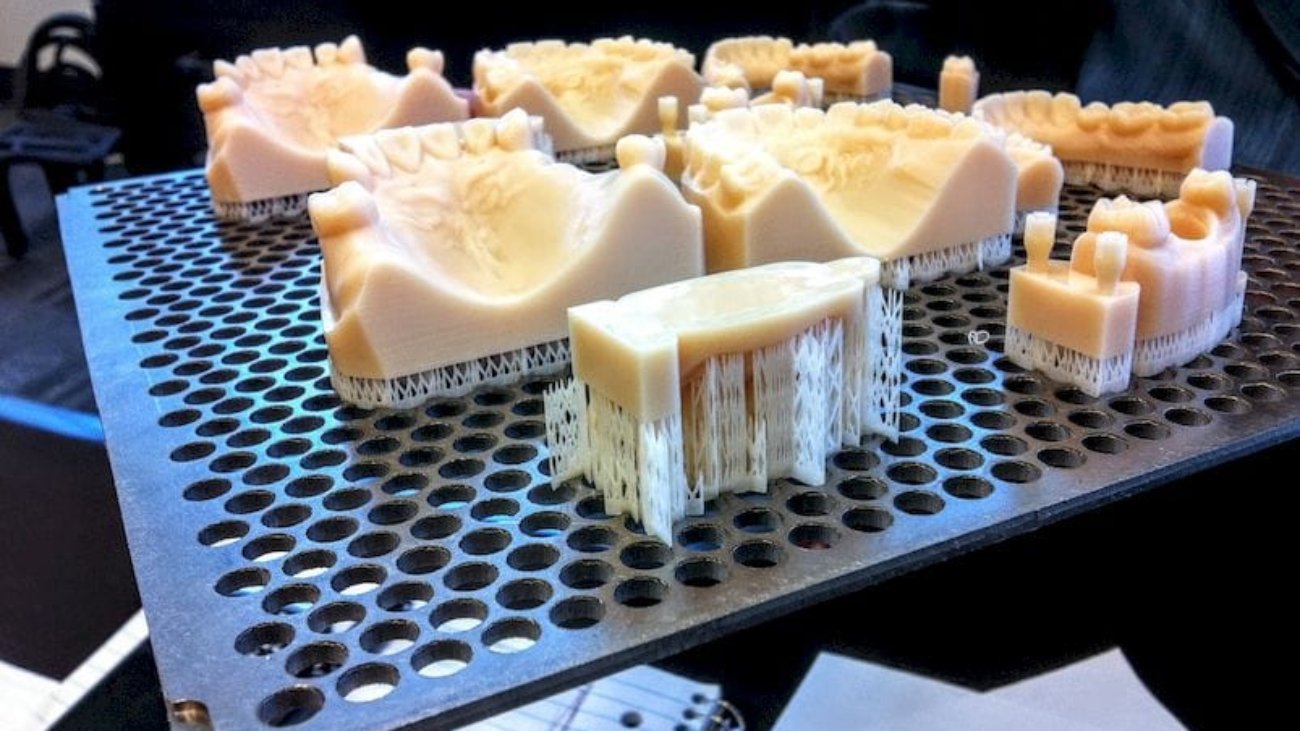
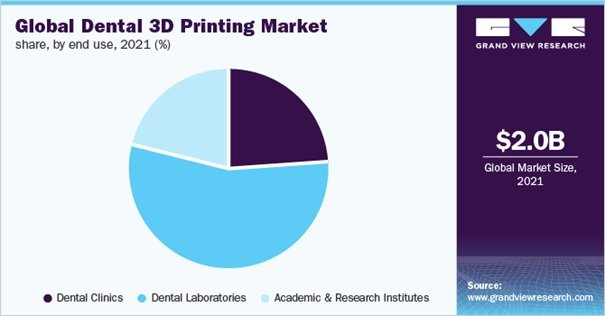
The global 3D dental printing market is projected to be valued at USD 2.0 billion in 2021, with an annual growth rate (CAGR) of 25.9 percent over the forecast period. Because of the COVID-19 pandemic, demand for dental 3D printers fell in 2020. Due to a mixture of cutting-edge 3D printing technology and a promising footprint, the 3D dental printing market has developed a strong role in today’s dental products.

Some of the factors driving the growth and surrogacy of dental 3D printers include the layout and application of improved products such as inaccessible implants, advanced manufacturing to give an aesthetic look, and shipping placement. Because of the user-friendliness and convenience of 3d printing technologies, the dentistry sector has been encouraged to create items that may fulfill the dental needs of many people. These printers will enhance output while decreasing manufacturing time. Additionally, the digitized approach will reduce procedural pain while increasing customer experience.
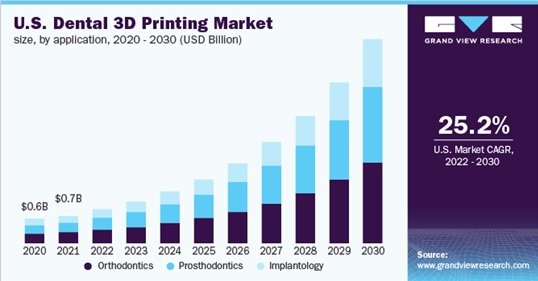
Other details about global 3D dental printing market

In the past few years, the medical equipment business has seen a substantial amount of market restructuring. Large manufacturers are leveraging their product portfolios through purchase and partnership methods to extend their company operations globally. The market’s competitiveness is projected to increase further as product advancements, product/service expansions, and M&A increase. For example, in December 2021, Stratasys Ltd., an American-Israeli manufacturer and a leading developer of polymer 3D printing solutions, unveiled the Stratasys Origin One Dentistry, the advanced printer in the company’s increasing line of 3D printing remedies for the dental sector.

These firms also concentrate on different engagement methods such as mergers and acquisitions and the introduction of new goods. For example, 3D Systems, a Formlabs Massachusetts-based firm, established a relationship with BEGO, a producer of implants and prosthodontics for the dental sector, in February 2020. Moreover, 3D Systems introduced the new DMP Flex 100 and DMP Dentistry 100 3D printers in June 2018, providing greater quality, adaptability, and throughput for entrance metal 3D printing and dentistry applications. They are collaborating to offer momentary and everlasting 3D printed restorations and bridges to restorative dentistry. Several major participants in the worldwide 3D dental printing market are:

  • 3D Systems
  • Stratasys Ltd
  • Renishaw
  • Roland DG
  • SLM Solutions
  • EnvisionTEC
  • Dentsply Sirona
  • Straumann
  • Form Labs
  • Prodways
  • Planmeca

The COVID-19 epidemic has wreaked havoc on the medical device industry’s supply chain. Because of the pandemic, the number of operations conducted each year has decreased, resulting in an overall reduction in the sector. The worldwide limitations and shutdown in most nations had a detrimental influence on demand and sales of dental equipment and treatments. In addition, several equipment makers have turned their attention to combating coronavirus. Form labs, for example, announced in March 2020 that it was employing its more than 250 in-house 3D printers at its printing plant in Ohio to generate up to 150,000 COVID-19 test swabs every day. The medical equipment sector, on the other hand, is attempting to recover from the COVID-19 epidemic.

Ref:

https://www.marketsandmarkets.com/Market-Reports/dental-3d-printing-market-258228239.html
1

The facial prosthesis is a method

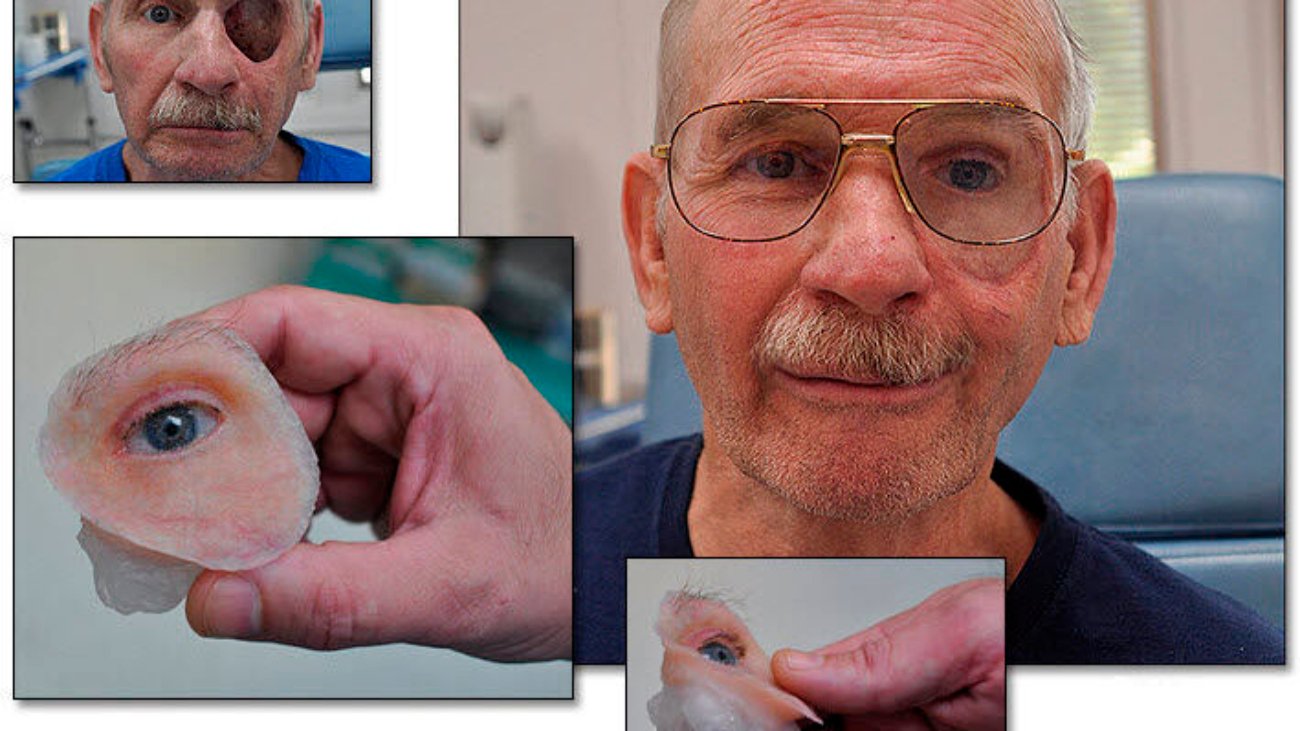
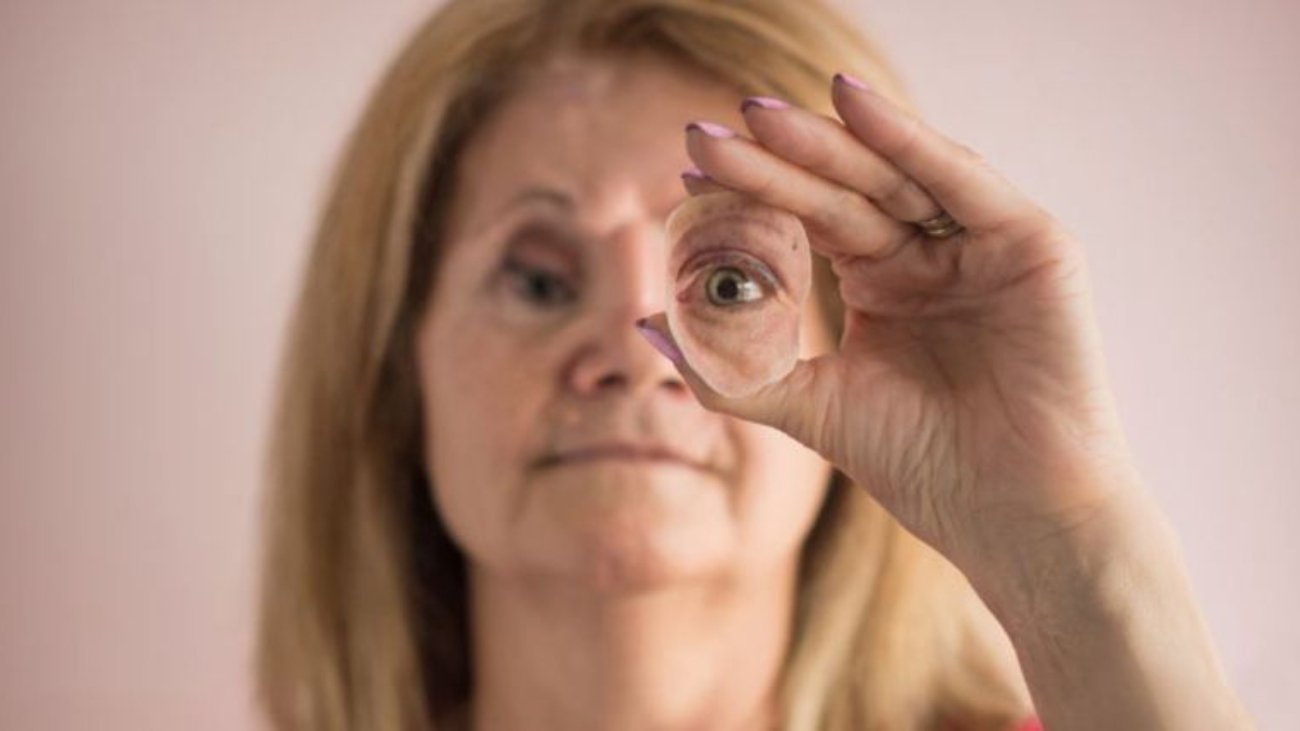
The facial prosthesis is a method of choice to replace missing hard and soft orofacial tissues. As an example, Dental implant support raises the confidence of the patient in public. The contribution’s goal is to analyze patients with orbital surgical defects systematically. Multidisciplinary therapy involves the following disciplines: ophthalmology, maxillofacial surgery, implantology, and prosthodontics. Midfacial defects can be divided into two major categories: midline midfacial defects, including the nose, and upper lip lateral defects, including the cheek and the orbital contents. The choice between surgical reconstruction and prosthetic restoration of large facial defects remains a difficult one and depends on the size and etiology of the defect, as well as on the wishes of the patient. The development and application of osseointegrated implants to facial defects has, in part, changed patient perceptions of facial prosthetics. Implants allow convenient and secure prosthesis positioning, leading to greater patient acceptance. A retrospective review will be performed on patients who had undergone reconstruction of the facial prosthesis from 2005 to 2010. Case reports evaluate step-by-step material and methods, including implant insertion. There are three diagnoses indicated for surgical treatment including oncological, traumatological diagnoses, and genetic and obtained disorders. Surgical and prosthodontic rehabilitation aims to replace missing soft and hard facial structures, rehabilitation of body handicaps and social problems, and quality of life.

2

Some applications of prosthesis

In the previous post, you learned a little about the history of facial prostheses. And now we want to look at some of its applications. Acquired facial defects, especially after radical surgical operations, often result in patients’ substantial functional, cosmetic, and psychological handicaps. A complex rehabilitation is necessary to be carried out by maxillofacial surgeons and prosthodontists. Plastic surgical reconstruction of these defects is frequently limited due to unfavorable conditions, such as vascular compromise of the surgical bed due to radiotherapy, and insufficient residual soft and hard tissues. In such cases, patients with significant maxillofacial defects are rehabilitated using craniofacial prostheses, offering an acceptable aesthetic solution. Facial prostheses are constructed by maxillofacial surgeons, implantologists, prosthodontists, and technicians, as an alternative treatment when facial defects cannot be surgically fulfilled. Facial prosthesis using dental implants and ball attachments, bars, or magnetic abutments is a method of choice to replace missing hard and soft facial tissues. Nose, eye, and ear form, coloration, and texture must be as indiscernible as possible from the surrounding natural tissues. Rehabilitation efforts can be successful only when patients can appear in public without fear of attracting unwanted attention.

3

Use of prostheses in the past

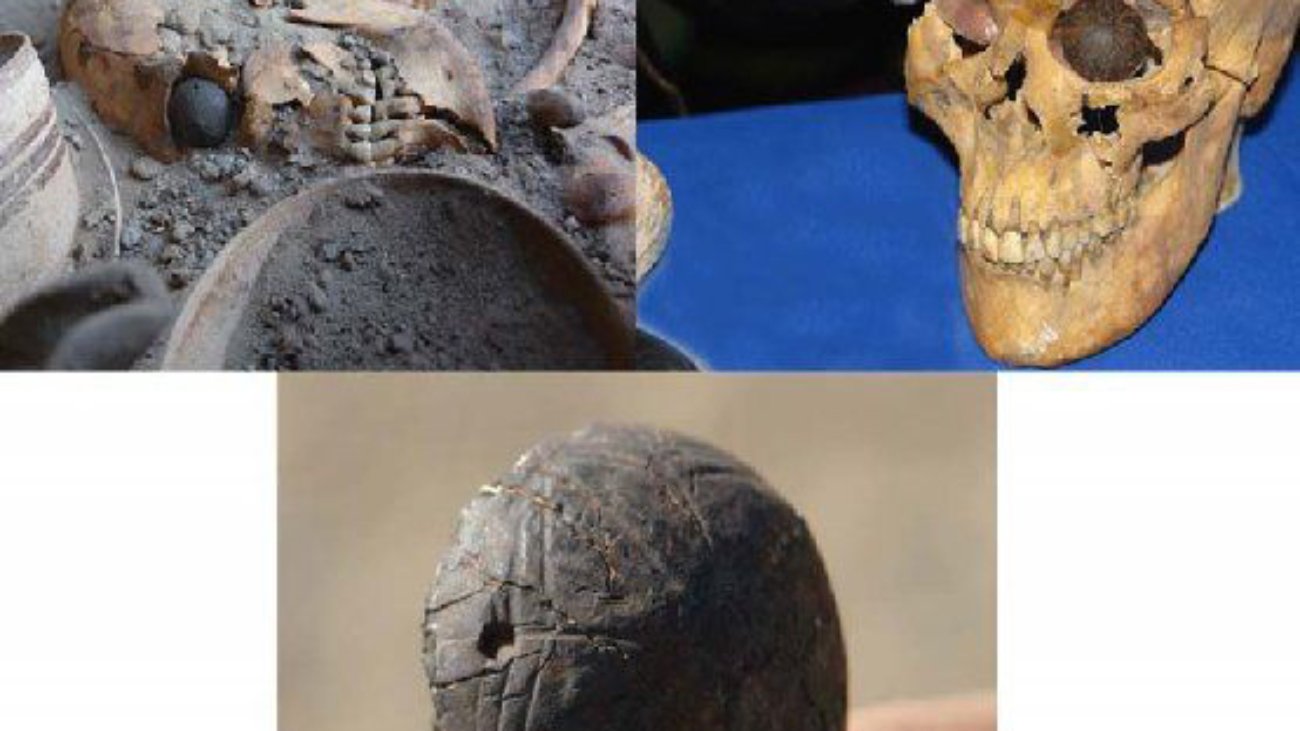
The use of facial prostheses such as wax ears has been reported in Ancient Egypt. The first historically documented evidence comes from the sixteenth century when the French surgeon Ambroise Paré describes the first nose prostheses from gold, silver, and “papier mâché,” which were held to the face by a string tied around the head. In the late 19th century, Claude Martin conceived an idea of an immediate prosthesis using tissue excised from the maxilla and mandible as a template for fabricating complex appliances. In the 20th century, while the quality of lifelike craniofacial prostheses was considerably improved with the introduction of silicone materials, the problem of their retention, which is essential for aesthetics, function, and comfort, was not entirely solved. With increasing aesthetic requirements, conventional fixation tools such as skin adhesives, skin pockets, skin loops, and glasses became unsuitable. It was Brånemark who first placed a modified extraoral implant for a bone-anchored hearing aid in 1977 and for a bone-anchored auricular prosthesis in 1979. These events changed concepts of prosthetic maxillofacial reconstruction. Since then, osseointegrated extraoral implants have been widely used to retain orbital, ear, and nose prostheses. Their usage diminishes adhesive-related problems like discoloration and deterioration of the prosthetic material. The skin and mucosal surfaces are less subjects to mechanical and chemical irritation from intrinsic mechanical retention, adhesives, or adhesive solvents. Maintenance of acceptable feathered margins and simple positioning of an implant-retained craniofacial prosthesis significantly increased their aesthetic qualities. Many scientific and clinical studies confirm the success of their practical application and improvement of patient’s quality of life.

1645086826366

AI 3D Scanning on Android

Our IT team is designing and developing the android app to implement the AI-based point cloud algorithms. By this, the film recorded by a smartphone camera from a subject could be directly processed to reconstruct the subject’s 3D shape via the smartphone with no need to use any other hardware.

1625900736172

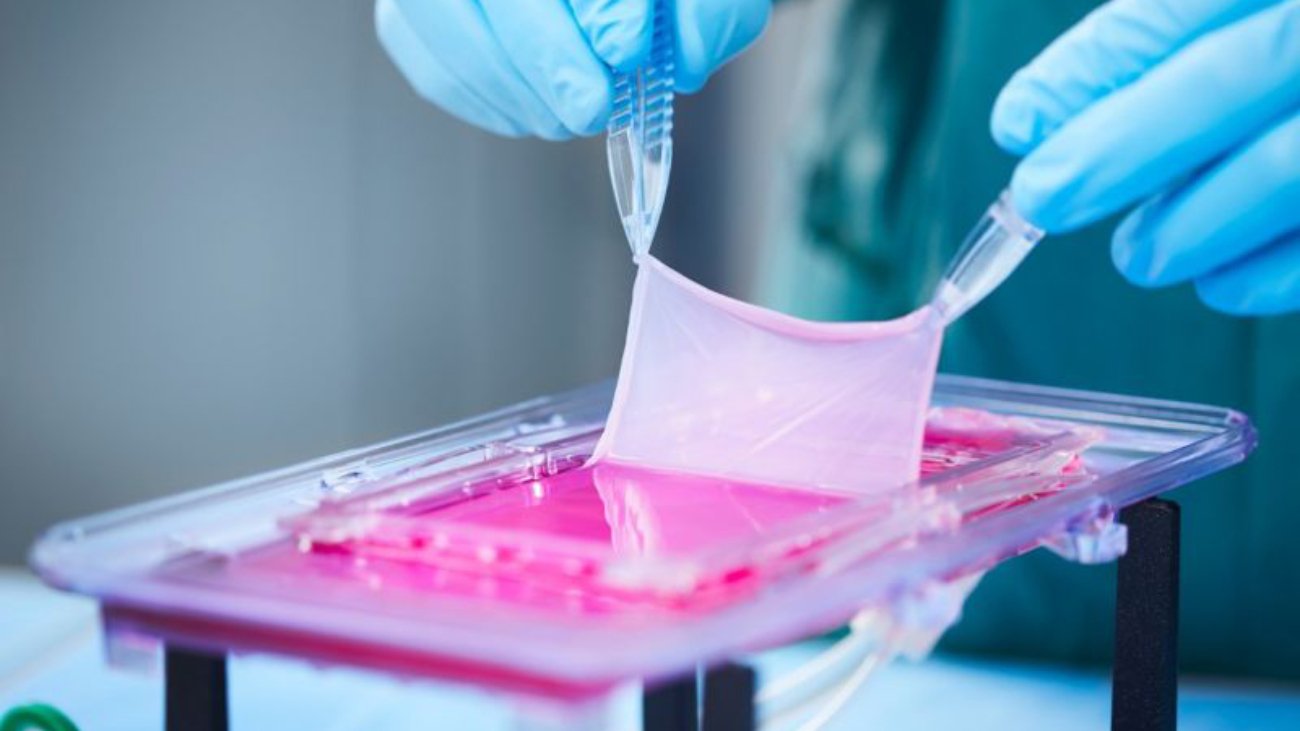
Collaboration of Miacare research team with Mashhad University of Medical Sciences

We are pleased to announce that the Miracare research team is collaborating with the biomedical engineers of Mashhad University of Medical Sciences. The collaboration subject is about creating a new material consisting of human skin components combined with medical-grade polymer and antimicrobial additives. The outcome could be used as a precursor for bio 3D printers to form a specific prosthesis with a natural appearance. The skin components could be extracted from the user; thereby, the surface features accord well with the remaining part of the body. It also reacts to environmental conditions and changes as the other natural parts of the body do.