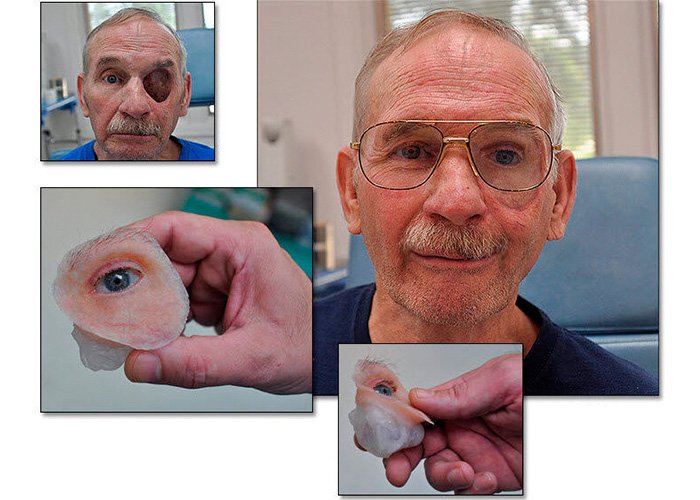
Every year, thousands of patients lose facial features due to accidents, cancer treatments, or congenital conditions. Restoring facial form is not only a medical necessity but also essential for emotional healing, confidence, and social reintegration. However, creating maxillofacial prostheses still relies on outdated methods. Traditional approaches depend heavily on manual craftsmanship, including impression casting and hand painting, which are slow, costly, and prone to inconsistency. Matching natural skin color remains a significant challenge, as pigments can fade or shift over time and with exposure to light. Silicone and other materials used in prostheses also degrade over time due to wear and UV rays, necessitating frequent replacements. Additionally, traditional prostheses often do not fit perfectly, leading to discomfort, gaps, and bacterial growth around attachment points. Overall, the process requires considerable time, expense, and expertise, and often falls short of providing the aesthetic and functional qualities patients need.

 Cart is empty